
Why Ringworm Keeps Coming Back: 9 Reasons and How to Stop It
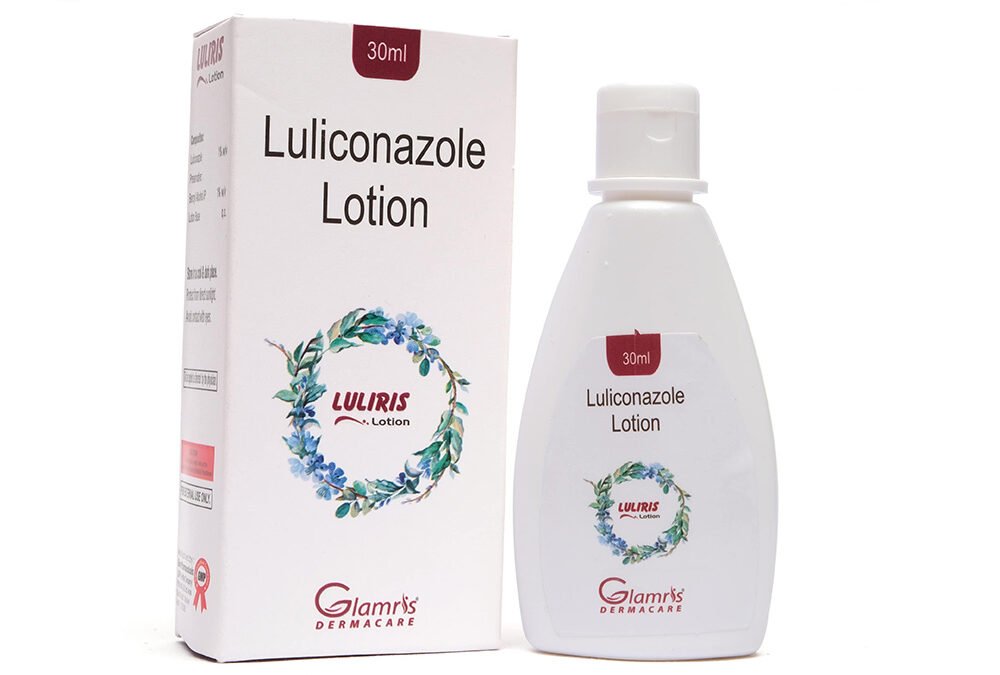
Ringworm keeps coming back for a handful of fixable reasons: treatment stopped as soon as the itch settled, the cream contained a steroid, the fungus survived in clothes, nails or a family member, or the skin stayed damp all day. Fix the cause, finish the full course, and see a dermatologist if it returns a second time.
If you live in India, you already know how common this is. Dermatology departments across the country have been reporting more recurrent and hard-to-treat tinea for several years now, and a 2021 study from Bharati Vidyapeeth Medical College in Pune found that excessive sweating, obesity, a family history of fungal infection, tight clothing and long-term illness were all linked to infections that kept returning.
Here are the nine reasons we see most often, and what actually helps.
| Why it comes back | What to do instead |
|---|---|
| Stopping treatment when the itch stops | Continue for 1 to 2 weeks after the skin looks clear |
| Steroid combination creams | Use a plain antifungal unless a doctor prescribes otherwise |
| Applying cream only on the ring | Cover the patch plus 2 cm of normal skin around it |
| Damp skin and tight clothes | Dry skin folds fully, wear loose cotton |
| Fungus in clothes and towels | Hot-wash, sun-dry and iron daily |
| Untreated family members or pets | Treat everyone with symptoms at the same time |
| Hidden nail or groin infection | Check feet, nails and groin, and treat them too |
| Extensive infection treated with cream alone | Ask a dermatologist about oral antifungals |
| Diabetes or low immunity | Get blood sugar checked and controlled |
1. You stopped the cream when the itching stopped
This is the big one. The itch fades within days, the red ring turns brown, and the tube goes back in the drawer. But the fungus lives in the outer layer of the skin, and that layer takes weeks to renew. Stop early and the survivors start a new ring, often right next to the old one.
Most topical courses run two to four weeks. Keep applying for at least one to two weeks after the skin looks completely normal.
2. The cream had a steroid in it
Many creams sold over the counter in India combine an antifungal with a strong steroid such as clobetasol. The steroid kills the itch fast, so the cream feels like it’s working. Meanwhile it lowers the skin’s local defences, and the fungus spreads under cover. Dermatologists call the result tinea incognito: a wide, faint, oddly shaped rash that no longer looks like ringworm and is much harder to treat.
Unless a doctor has specifically prescribed a combination for a short time, use a plain antifungal such as luliconazole (LULIRIS), terbinafine (GLAFINE) or ketoconazole (KETOLAM Cream).
3. You only treated the visible ring
The edge of a ring is where the fungus is most active, and it is already ahead of what you can see. Apply the cream to the whole patch and about two centimetres of healthy-looking skin around it, once or twice a day as directed.
4. Your skin stays damp
Dermatophytes love heat and moisture. Think of a delivery rider in polyester trousers in July, or anyone who sits for nine hours on a plastic chair. Sweat collects in the groin, under the breasts, at the waistband and between the toes, and the fungus never gets a dry day.
Bathe after sweating, dry folds properly (a separate small towel helps), and switch to loose cotton underwear and clothing. A dusting powder can help keep folds dry, but it is an add-on, not a treatment.
5. The fungus is living in your clothes and towels
Fungal spores survive in fabric. If you put the same jeans back on for three days, or the whole family shares one towel, you are re-applying the infection every morning. During treatment, wash clothes and towels after every use in hot water if possible, dry them in direct sun, and iron them, especially underwear. Medicated soap such as KETOLAM Soap can help reduce fungal load on the skin when used alongside the prescribed treatment.
6. Someone else at home has it
Tinea spreads by contact. A family member with untreated athlete’s foot, a child with an itchy scalp, or a pet dog with patchy fur can keep handing the fungus back to you. When one person in a house has ringworm, check everyone, and treat all infected people at the same time.
7. There’s a hidden infection in your nails, feet or groin
Ringworm on the body is often seeded from somewhere less obvious. Thick, yellow toenails or cracked skin between the toes can harbour fungus for years. Scratching an infected groin and then touching your arm moves it around too. Ask your doctor to examine your feet and nails, not just the patch you came in for.
8. The infection was too extensive for cream alone
When tinea covers large areas, involves several body sites, or keeps returning, topical treatment usually isn’t enough. A dermatologist may prescribe an oral antifungal such as itraconazole (ITRANOM 100) or terbinafine for several weeks, sometimes combined with a cream. These medicines need a prescription because they interact with other drugs and are not suitable for everyone, including pregnant women.
9. Diabetes, obesity or low immunity
Raised blood sugar, deep skin folds and medicines that suppress immunity all make fungal infections more likely and harder to clear. If you keep getting ringworm, a simple blood sugar test is worth doing.
Is recurring ringworm dangerous?
It isn’t usually dangerous, but it is miserable, it spreads to others, and repeated use of the wrong creams can make it more resistant to treatment. Scratching can also lead to bacterial skin infection.
When should you see a dermatologist?
- The rash has come back after one full course of treatment
- It covers a large area or several parts of the body
- It involves the scalp, beard area or nails
- You have diabetes, are pregnant, or take medicines that affect immunity
A dermatologist can confirm the diagnosis (sometimes with a quick skin scraping test) and choose the right medicine and duration. For more on treatment options, see our guide to medicines for fungal infection.
This article is for general information and doesn’t replace advice from your doctor. Prescription medicines mentioned here should be used only as prescribed.